

Natural Gas: The Energy Fueling Tomorrow’s Tech Revolution
Surging power demand from AI and rising LNG export capacity are ushering natural gas into a new phase of growth, at the same time that geopolitical disruptions are at an all-time high, exposing the vulnerability of global gas supplies at choke points.
In this edition of the RBAC Newsletter, we look beyond forecasts to examine some of the factors shaping future gas and LNG markets. New natural gas production records in the U.S., natural gas pipeline projects around the world, and the local and global impacts of the Permian Basin. These stories provide additional context for understanding where the market may be headed next.

Want analysis that goes beyond headlines? Join RBAC’s mailing list to receive this newsletter, early access to new articles, and expert perspectives delivered straight to your inbox.
Top Stories in Natural Gas and LNG from Around the World
Quick Brief – United States on Track for New Natural Gas Production Records in 2026
In 2025 we saw the United States set new natural gas production records, now we are seeing that trend repeat and new records to be set in 2026.
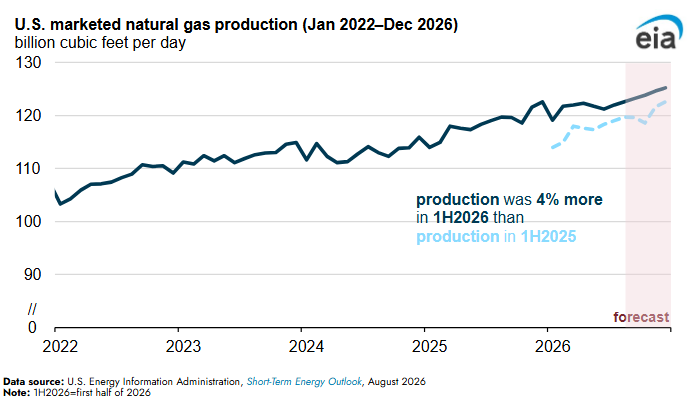
In the first half of 2026 (1H26), marketed natural gas production averaged 121.3 Bcf/d, representing a 4% increase, or 4.6 Bcf/d, compared with the same period in 2025. The majority of this growth came from the Permian region of Texas and New Mexico, as well as the Haynesville region spanning Louisiana and Texas.
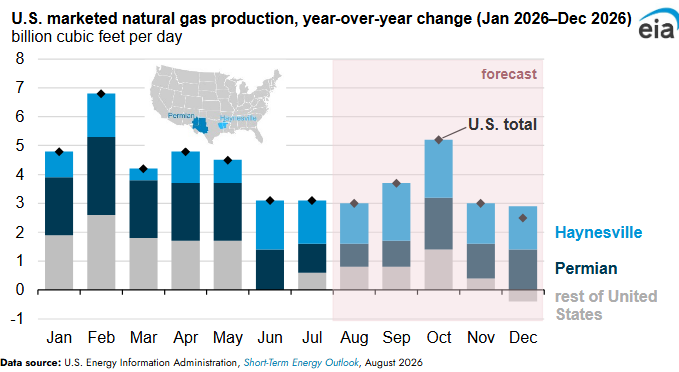
With even more natural gas growth expected from new developments in data centers and LNG export expansions, how will this continued growth in U.S. natural gas production impact the markets?
It is with tools like the GPCM® Market Simulator for North American Gas and LNG™ that allow for natural gas analysts to fully understand the entirety of the North American natural gas market and how each piece of the puzzle fits into the big picture.
GPCM simulates historical and future natural gas industry activity. Historical simulations are used to help calibrate GPCM for use in forecasting future market conditions. Analysts use simulations for scenario analysis and forecasts for North American gas flows, price and basis.
It is a complete system of interrelated models for simulating gas production, pipeline and storage capacity utilization, deliveries to LDCs, utilities, and industrial consumers, as well as commodity price at points throughout the North American market. GPCM’s purpose is high-quality market analysis in support of investment decisions which help you achieve your goals and that of your company or organization.
Click here to learn more about GPCM and schedule a free demonstration today!
Articles & Media
I Asked If Gas Could Be Argentina’s Silver Lining. Here’s What Happened Next.

A few years ago, Cyrus Brooks asked whether natural gas could be Argentina‘s “silver lining,” writing about Argentina’s enormous Vaca Muerta resource and asked the critical question: Could Argentina actually get that gas to market? A lot has changed since then.
Can New Pipeline Capacity Keep Up with Permian Production?
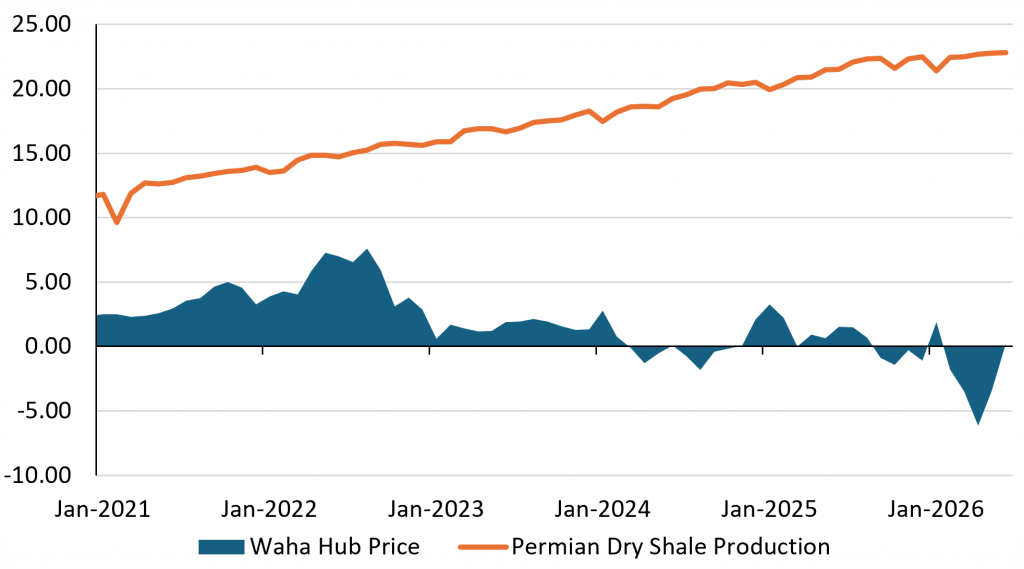
One of the most interesting Natural Gas market phenomena in the last few years is Waha Hub natural gas prices, or lack thereof. More precisely, it’s the negative prices producers have had to accept for their natural gas production, primarily associated with oil flowing. which. This phenomenon first occurred in 2019; however, it has become increasingly frequent as basin production outpaced take-a-way capacity.
Read Can New Pipeline Capacity Keep Up with Permian Production? to find out how new midstream infrastructure could bring positive change to the Permian Basin.
The Biggest Natural Gas Pipeline Projects You Should Know in 2026

We previously covered some of the largest LNG export projects in the United States as well as export growth in other countries. But today’s pipeline projects deserve the same spotlight because they determine whether gas can actually reach the market, connecting real supply to real demand, relieving a bottleneck, or opening a new route.
See what projects we have our eye on here: The Biggest Natural Gas Pipeline Projects You Should Know in 2026
Permian Pipelines, Local and Global Impacts
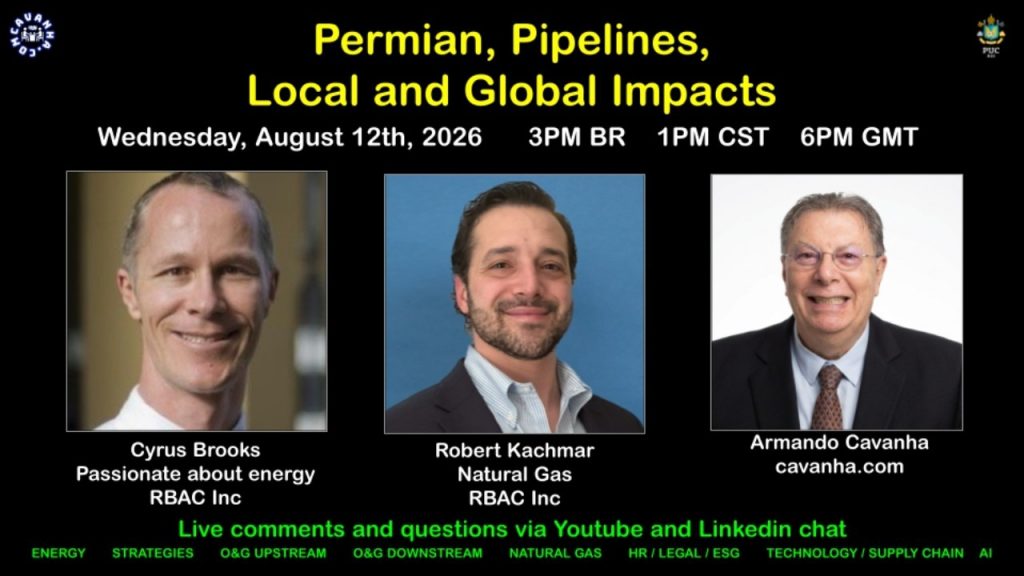
In a recent discussion hosted by Armando Cavanha, RBAC’s Robert Kachmar and Cyrus Brooks explored the relationship between Permian natural gas production, pipeline takeaway capacity, U.S. LNG exports, global energy security, European gas demand, and the rapidly growing electricity needs of data centers. The conversation highlighted how developments in a seemingly regional pipeline system can have consequences that extend well beyond West Texas.
Essential Reading
Taken from the treasure trove of the writings from our energy experts. Here read technical insights and far-sighted analysis relevant through the lens of today’s energy.
Winter Storm Fern: La Niña’s Freeze Sends Natural Gas Prices Soaring
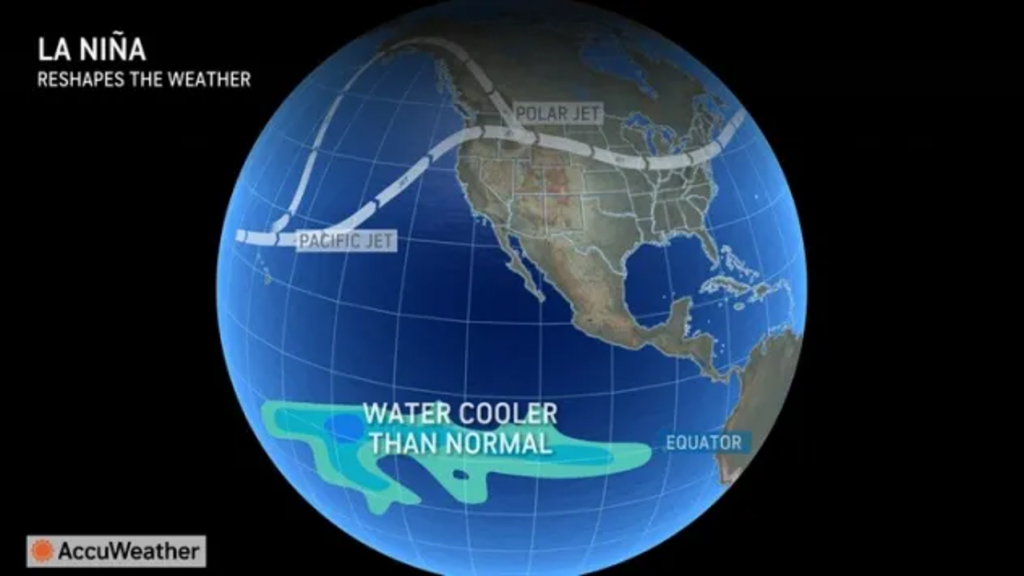
We are almost to September so let’s turn our attention to the upcoming Fall and Winter. Last Winter we saw Storm Fern bring massive surges in natural gas demand in prices due to the prolonged cold. How do natural disasters of any kind affect the natural gas market?
Food for Thought
Read some of our engaging commentary on social media and join us in the conversation.
The State of EU Natural Gas Storage
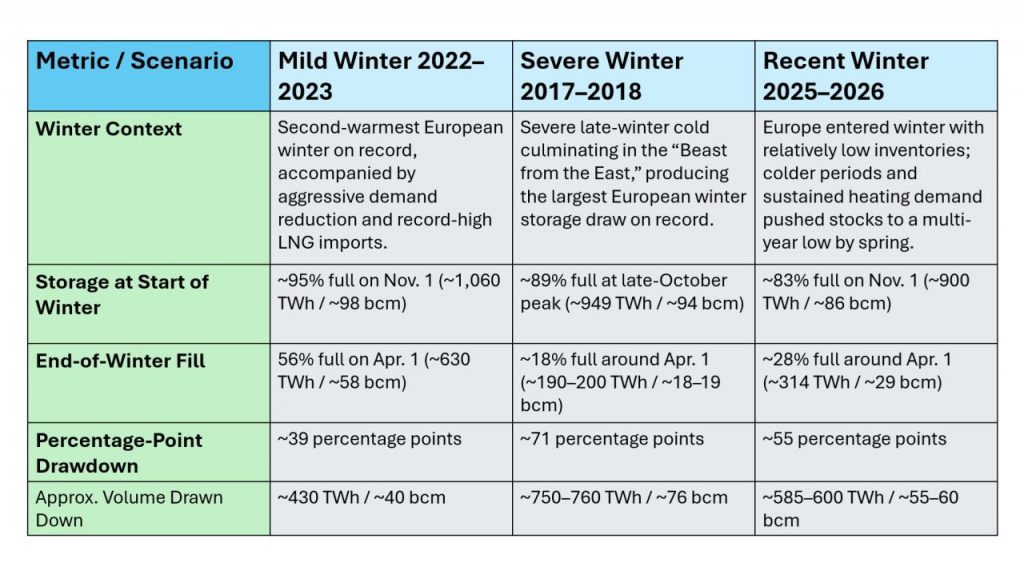
Europe needs LNG cargoes both for current demand and to refill storage. With Qatari supply constrained and Asia is competing for many of the same flexible LNG molecules. What does this mean for Europe going into the Winter?
RBAC is the market-leading supplier of global and regional gas and LNG market simulation systems used by the energy industry and related government agencies for over two decades. The GPCM® Market Simulator for North American Gas and LNG™ is the most widely used natural gas market simulation system in North America. RBAC’s G2M2® Market Simulator for Global Gas and LNG™ has been instrumental in understanding evolving global gas and LNG market dynamics and is vital to fully grasp and leverage the interrelationship between the North American and global gas markets.