

Where the Natural Gas Market Gets Tight — and So What?
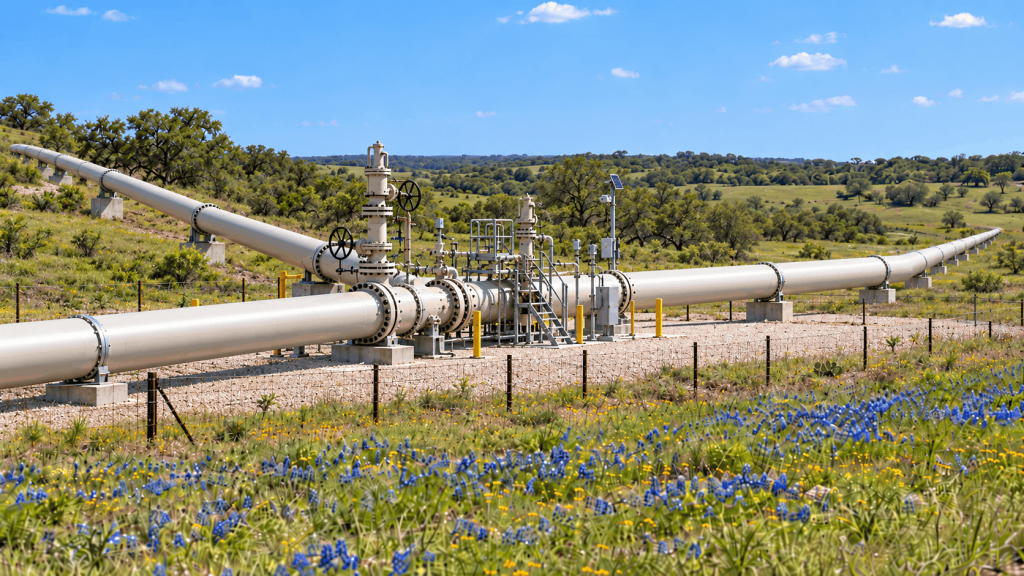
Download PDF Download Word Introduction Winter is coming along with natural gas demand. Coupled with LNG exports and the new kid on the block, AI / data centers, that’s a lot of demand. But the United States has a lot of natural gas. U.S. dry gas production is expected to average approximately 112.5 Bcf/d this […]
How Traders (and Others) Could Use GPCM
How Traders (and Others) Could Use GPCM Use Case: Getting Natural Gas into New England during Winter The “Edge” of Tomorrow in Natural Gas Sometimes the most important thing a natural gas trader (or other market participant) can know is not where the price is going tomorrow, but where the system is vulnerable. The winter […]
Africa’s Energy Moment: From Poverty to Abundance
Introduction Africa is at an important crossroads in its energy development. The continent possesses significant oil and natural gas resources, a rapidly growing population, and enormous potential for industrial development. At the same time, hundreds of millions of people continue to lack reliable electricity and access to clean cooking fuels. In today’s episode of the […]
RBAC Newsletter 2026 Issue 10
Natural Gas Markets in Motion: Demand, Infrastructure and LNG Natural gas markets rarely stand still. New LNG export capacity is coming online, power demand from data centers and AI continues to grow, new pipeline infrastructure is being developed, and geopolitical events can quickly alter the movement and price of gas around the world. From Houston […]
2026 RBAC User Conference Recap
The RBAC 2026 Gas & User Conference, held September 9th to 11th welcomed users, partners, and energy industry experts to Denver, Colorado, where over three days, we explored shifting natural gas and LNG markets, infrastructure development, rapidly growing power demand, new tools and approaches to market analysis, and especially, ever more practical ways to get […]
The Biggest Natural Gas Pipeline Projects You Should Know in 2026 Part 2
Projects most likely to change gas flows, prices, LNG supply and energy security Part 2: Where Pipelines Meet Geopolitics In Part 1, we looked at major pipeline developments in North America and Europe. North America is seeing large new pipelines built around takeaway capacity for growing production and feeding both LNG exports and power demand, […]
I Asked If Gas Could Be Argentina’s Silver Lining. Here’s What Happened Next.

Argentina’s Gas Future Is Taking Shape A few years ago, I asked whether natural gas could be Argentina‘s “silver lining,” writing about Argentina’s enormous Vaca Muerta resource and asked the critical question: Could Argentina actually get that gas to market? At the time, things to watch: reversing regional pipeline flows as Bolivian production declined, accessing […]
Permian Pipelines, Local and Global Impacts
In a recent discussion hosted by Armando Cavanha, RBAC’s Robert Kachmar and Cyrus Brooks explored the relationship between Permian natural gas production, pipeline takeaway capacity, U.S. LNG exports, global energy security, European gas demand, and the rapidly growing electricity needs of data centers. The conversation highlighted how developments in a seemingly regional pipeline system can […]
The Biggest Natural Gas Pipeline Projects You Should Know in 2026
Projects most likely to change gas flows, prices, LNG supply and energy security Assessing Pipeline Projects Around the Globe We previously covered some of the largest LNG export projects in the United States as well as export growth in other countries. But today’s pipeline projects deserve the same spotlight because they determine whether gas can […]
Middle East Disruption, European Storage, and the Next LNG Supply Wave
Global Gas and LNG Outlook for 26Q1 Overall, a tighter near-term market shaped by conflict and storage conditions, followed by a larger supply wave that changes the pricing environment before demand growth gradually catches up again. Twenty percent. That number explains why global gas outlooks everywhere changed so quickly following the start of the hostilities […]