Beyond Forecasts: Evaluating the Future of Natural Gas and LNG
More LNG, more exports, more demand, and more infrastructure investment.
From expansion at Rio Grande LNG to new international supply agreements, the direction is clear. Yet making such projections may be the easy part. But how about understanding what could accelerate, constrain, or redirect that growth? That’s where it gets interesting.
In this edition of the RBAC Newsletter, we look beyond forecasts to examine some of the factors shaping future gas and LNG markets. From evaluating the 2026 Annual Energy Outlook to assessing LNG supply risks, energy reliability, and evolving global trade dynamics, these stories provide additional context for understanding where the market may be headed next.
Want analysis that goes beyond headlines? Join RBAC’s mailing list to receive this newsletter, early access to new articles, and expert perspectives delivered straight to your inbox.
Top Stories in Natural Gas and LNG from Around the World
Quick Brief – Natural Gas for Power Generation Flat this Summer, Record High Expected in 2027
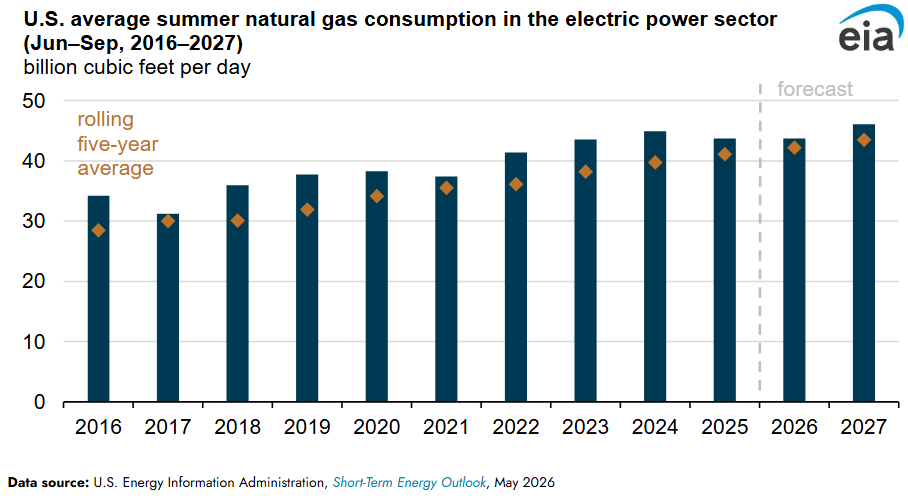
The EIA is forecasting that natural gas consumption by the U.S. power sector will remain near recent highs for this current summer and set new records next summer.
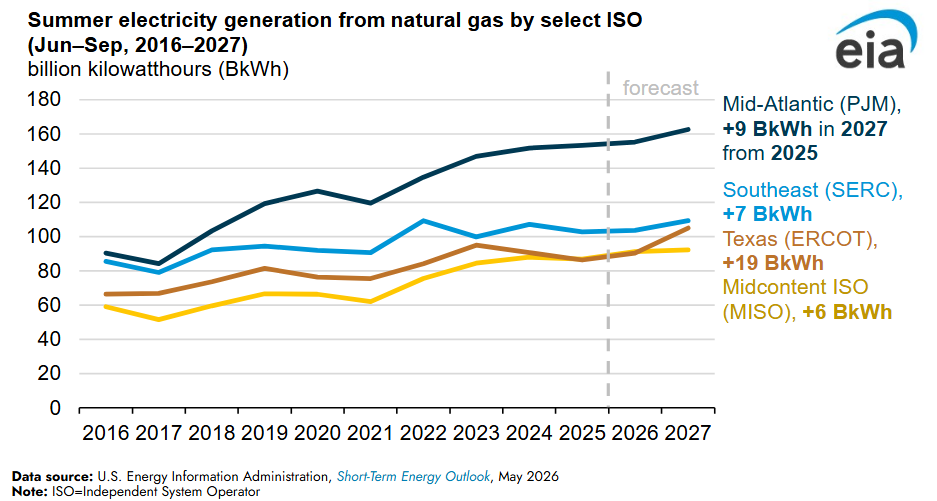
Texas is expected to see the largest growth in billion kilowatthours (BkWh) followed by the Mid-Atlantic, Southeast, and Midcontinent ISO. The significant demand growth expected to be seen in Texas is as a result of new data centers and large manufacturing facilities that require large amounts of electricity for their operation and for cooling.
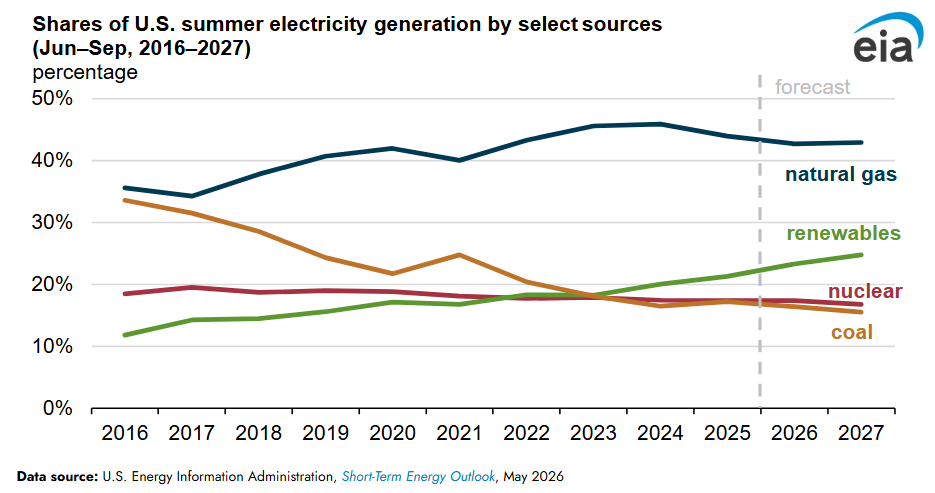
Natural gas is set to continue its reign as the fuel of choice, making up over 40% of the electricity generation. Even as more and more renewable sources connecting to the grid, natural gas provides swift dispatchable power needed to ensure reliability.
To fully understand the intricacies of how gas and power markets interact, you need a way for power market models and gas market models to communicate.
You need a tool that enables you to eliminate differentials between price and demand forecasts generated by these market models.
LNG’s Unchartered Waters: Short-Term Disruption Against Long-Term Growth
RBAC is co-hosting a complimentary LNG market seminar on Wednesday, July 15th in Singapore.
Speakers include, RBAC’s Director of Global Markets, Dr. Ning Lin, S&P’s Director, Head of Asia Gas Research, Chong Zhi Xin, and LSEG’s Senior Research Specialist, LNG, Shruti Shah.
The speakers will address shifts in global LNG market dynamics, including geopolitical risks, evolving supply–demand balances, and changing pricing dynamics.
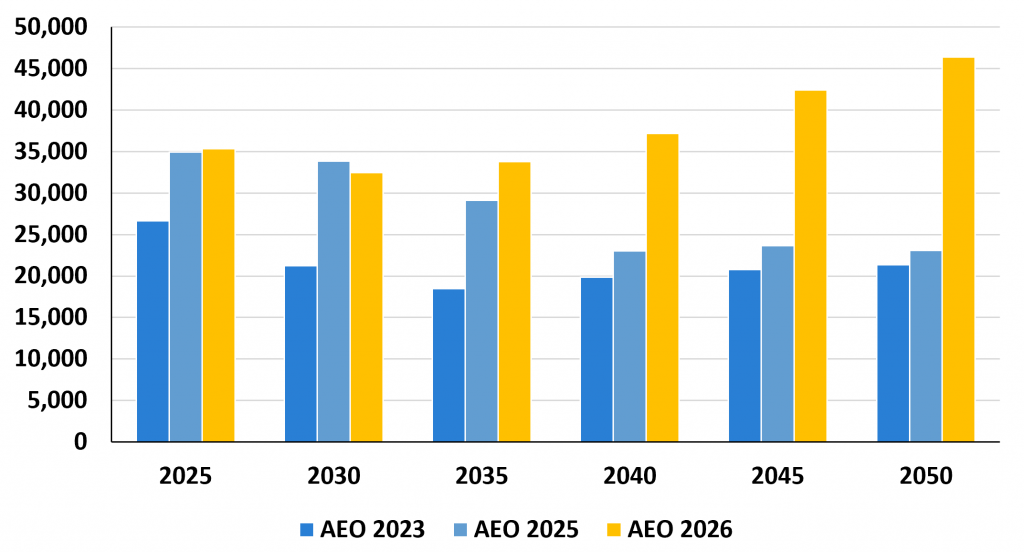
As energy planners and market participants look toward the future, long-term forecasts like the U.S. Energy Information Administration’s (EIA) Annual Energy Outlook (AEO) play a central role in shaping expectations and strategic planning. In this new article from RBAC, we evaluate the ins and outs of the AEO from our view and describe how you can make such an analysis.
Columbia Conference on Climate & Energy – What’s The Better Path?
Can climate goals and energy reliability truly coexist? Insights from the Columbia Conference on Climate & Energy suggest the answer may lie in a balanced and realistic approach to the transition, one that accounts for the continuing role of natural gas, LNG, emerging technologies, and long-term infrastructure planning.
Taken from the treasure trove of the writings from our energy experts. Here read technical insights and far-sighted analysis relevant through the lens of today’s energy.
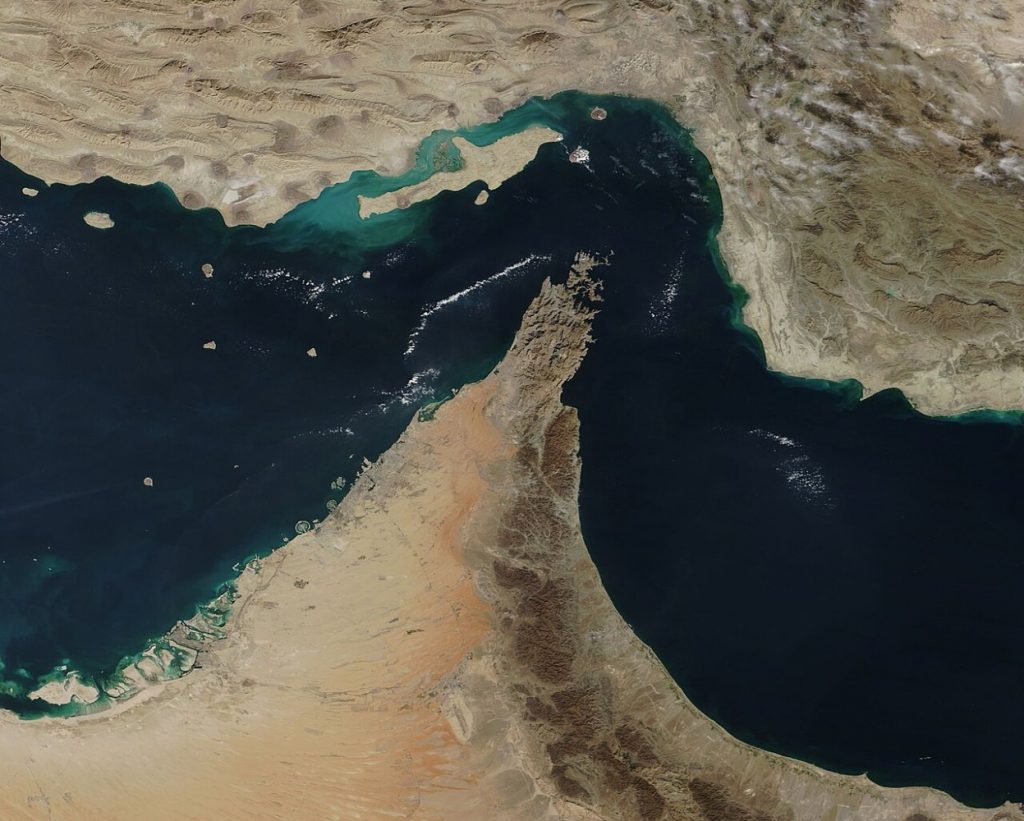
Hormuz Risk: Assessing the Impact of LNG Supply Disruptions
With tensions still high around the Strait of Hormuz, let’s revisit how the conflict in the Middle East has disrupted LNG flows and for how long this disruption could continue.
RBAC is the market-leading supplier of global and regional gas and LNG market simulation systems used by the energy industry and related government agencies for over two decades. The GPCM® Market Simulator for North American Gas and LNG™ is the most widely used natural gas market simulation system in North America. RBAC’s G2M2® Market Simulator for Global Gas and LNG™ has been instrumental in understanding evolving global gas and LNG market dynamics and is vital to fully grasp and leverage the interrelationship between the North American and global gas markets.