
What is the Best Policy for People and the Environment?
The Santa Marta Paradox
When the Guardian wrote “euphorically” about the recent Santa Marta conference in Colombia about the local enthusiasm toward phasing out particular energy sources, they may have missed some key details. To many of the delegates, their view is simply that the “science is settled” and they translate this to meaning: we must dismantle the supply side of traditional energy to save the planet.
But to be fair and honest, we know this perspective is born of a profound luxury, and perhaps a lack of awareness of that luxury as pointed out by comedian and comentator Jimmy Carr who noted “we’re living like kings.”
Yet, how did we get to that point, in the U.S., the U.K., Europe or the many developed countries across the world?
The three billion people are currently living in energy poverty, and for them, the environment can be less a fragile system to be protected from humans and more a force that humans must be protected from. But that was no different than any country just 200 years ago.
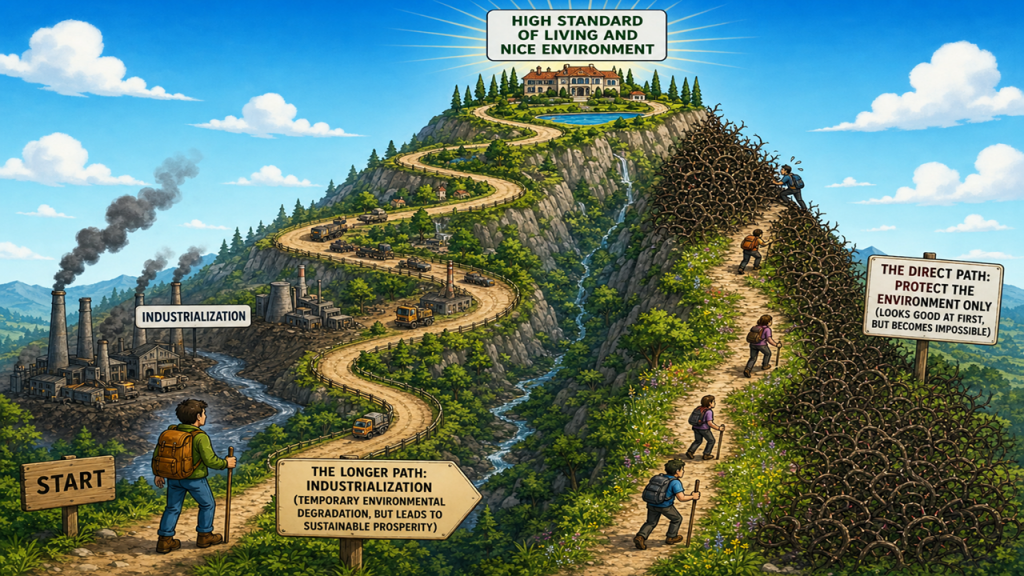
The direct route to both a beautiful environment and higher standard of living may not exist. Go back in time any short while ago, let alone 200 years ago, and we had to cut down trees (and still do) to make houses. There is always some cost for making things better.
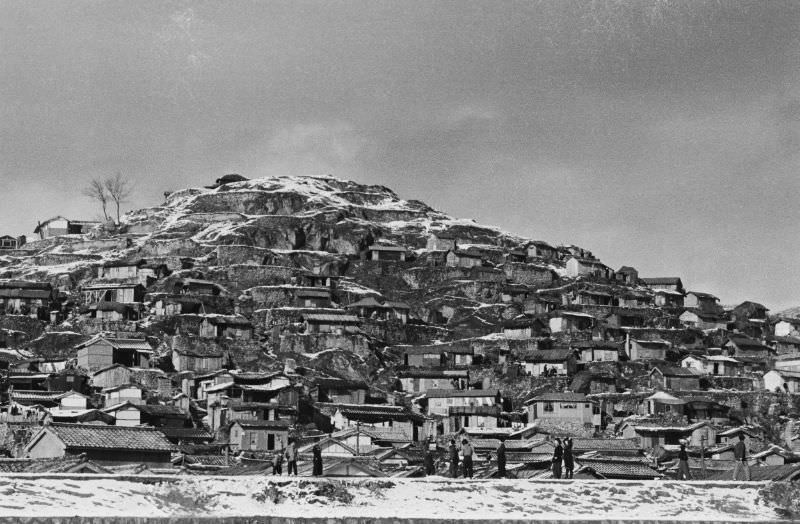
At first you start with quantity: There are such lack of necessities when you are in poverty, than anything is better than nothing. South Korea was so poor in the 1950s they cut down trees to bare hills for surviving harsh winters.
Only after you have enough quantity can you start to work toward quality and viability (sustainability).
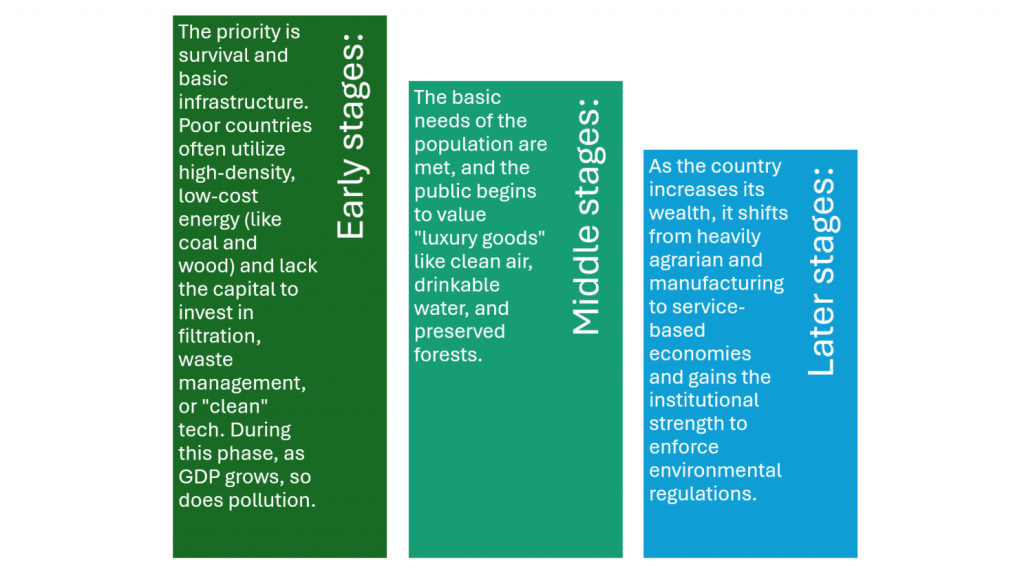
The Environmental Kuznets Curve (EKC) is a very interesting concept in economics: essentially, human prosperity is the driver for environmental safeguarding.
This theory suggests that as a country develops, you will get environmental degradation and this will increase until a certain level of income is reached, at which point the trend reverses. Basically, it is saying:
If we want a cleaner planet, we need more wealth.
The Global South Resists the Santa Marta roadmap
What are voices saying in the Global South?
I wrote about this and from African leaders, they said, “African Energy Resources Must Benefit Africa”.
It makes sense, and to understand why more of the Global South is resisting the Santa Marta roadmap, we must look to the insights of economists like Milton Friedman and Thomas Sowell. Let’s look at the unlikely scenario of a sweatshop in Asia. I was surprised to learn, when I first came upon the concept as a young man (and another learned just the same), that you cannot compare even a “sweatshop” or a “dirty mine” in a developing nation to work standards in the West; you must compare it to the worker’s next best alternative. And throughout history the tale is repeated.
In the 19th-century US and UK, the Industrial Revolution was “miserable” by modern standards. Children worked in factories and the air was thick with coal smoke. However, as Sowell argues, people voluntarily left farms for these factories because the factory, despite its conditions, offered a higher “real” wage and a better chance at survival than subsistence farming.
I’m not agreeing with poor conditions. But, if, for a family in Vietnam or Bangladesh, a garment factory job is the first rung on the ladder out of extreme poverty, then who am I to judge? To “pull the ladder up” by demanding Western environmental or labor standards immediately is to condemn those people to the permanent poverty of the foothills at the bottom of the Environmental Kuznets Curve.
2. The Extraction Challenge: DRC vs. Botswana
With renewables especially, the largest challenge will be mining. And this challenge is sometimes underemphasized in discussions; witness S&P Global’s report in January 2026:
"The study finds that the 'accelerating pace of electrification' is projected to swell copper demand to 42 million metric tons by 2040, a 50% increase from current levels. Yet, existing supply is currently poised to decrease in coming years as the mining sector faces challenges across the copper value chain. ... Unless significant adjustments are made, the widening disconnect will result in a supply deficit of 10 million metric tons by 2040—25% below projected demand."
Mining is critical, but there are challenges to both economics, and how we set up these projects. No matter whether you support renewable energy sources or fossil fuels, the same applies.
The “ladder” approach can break down in, when locals are not lifted by the economic process. Let’s look at DRC vs Botswana.
The Democratic Republic of the Congo (DRC) produces ~70-75% of the world’s cobalt, yet over 80% of its people live on less than $3 a day. The value is pulled out of the ground, shipped to China or the West, and is not leaving much behind. China refines between 74% to 77% of globally mined cobalt. But revenues could be better translated to raised standard of living than they are.
But look at Botswana. In 1966, Botswana was one of the poorest nations on earth with just 12 kilometers of paved roads. They discovered diamonds, but unlike the Congo, they used the revenue to fund universal education and healthcare. They built Human Capital.
"Unlike many developing nations, Botswana avoided the 'resource curse,' where mineral-rich countries suffer high poverty and slow growth. The government enforced strict anti-corruption measures to ensure diamond revenues were managed transparently and reinvested in public services. The Corruption Perceptions Index ranks Botswana as Africa’s least corrupt country."
Charlotte Rolf
For extraction to be a ladder, the industry must create a supply chain, invest in the local people and infrastructure, and especially skills. That will truly help people move up the Kuznets Curve.
3. Energy Density and Clean: Natural Gas & LNG
As a quick note and being intellectually honest, there is no doubting that coal has played a major role in industrialization, and the best reason might be not only that it is cheap, but that it is plentiful and every continent has coal reserves.
But, interestingly, South America and Africa have less proven reserves of coal, yet have shown to have reserves of natural gas, which is cleaner burning. Either way, the central thesis here is that energy density drives industrialization, and industrialization provides both the capital necessary and the raised standard of living which then demands the next step: environmental stewardship.
So, let’s see how this might apply to some countries in these regions and how this applies to the EKC.
Argentina: There is Life in Vaca Muerta
Argentina sits on one of the world’s largest shale gas resources in Vaca Muerta, with a huge a potential. Then incoming president Javier Milei, shifted the country decisively toward a pro-investment framework: deregulation, tax stability for large energy projects, and a clear mandate to expand pipelines and LNG infrastructure.
"Argentina’s natural gas production could reach new highs in 2026 after rising about 15% from 2021 to 2025, mainly due to higher output from the Vaca Muerta formation in the Neuquén Basin. Infrastructure constraints are easing, and export capacity is expanding." - Fitch Ratings
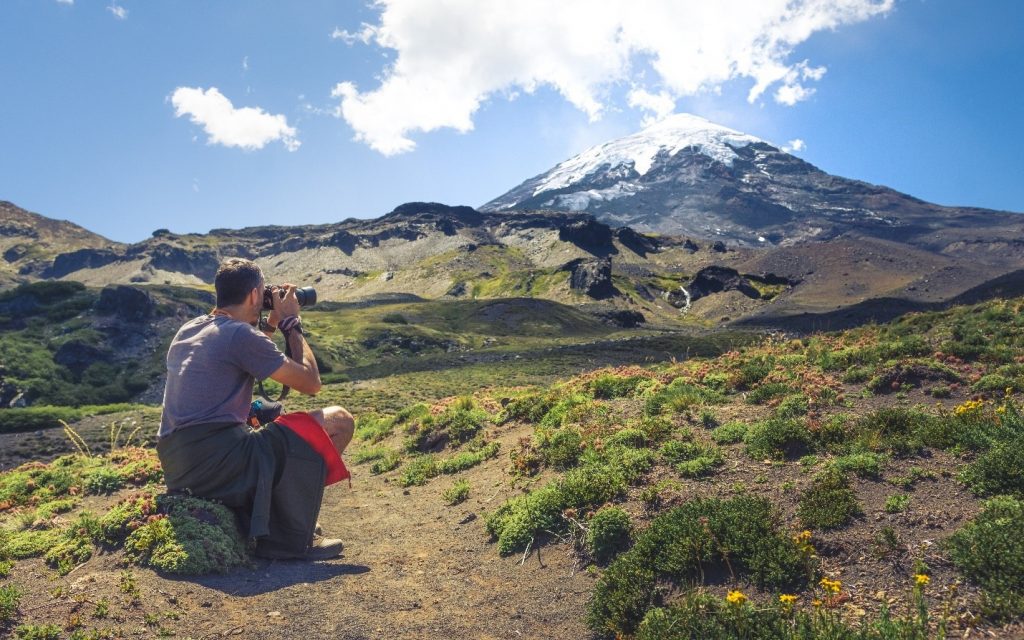
Vaca Muerta’s production reached record highs of 144 million cubic meters per day in 2025, with exports to neighbors like Chile expanding as infrastructure bottlenecks finally ease.
Oil and gas in the play helped shift Argentina from an energy deficit of $7 billion in 2013 to a trade surplus of $7 billion in 2025, helping stabilize the currency and reducing reliance on LNG imports.
Historically constrained by inflation, energy is now acting as a fundamental macroeconomic anchor toward stabilization.
While global LNG exports are a late-decade story, Argentina isn’t starting from scratch: it has and is indeed leveraging an existing industrial base and technical workforce. Coupled with this newfound abundance, Argentina is moving up the Environmental Kuznets Curve in real-time.
Mozambique: Giant Potential
Africa has been described as a “Natural Gas Sleeping Giant” and Mozambique represents a clear example. The Rovuma Basin holds over 100 trillion cubic feet of gas, making it one of the most significant offshore discoveries in decades.
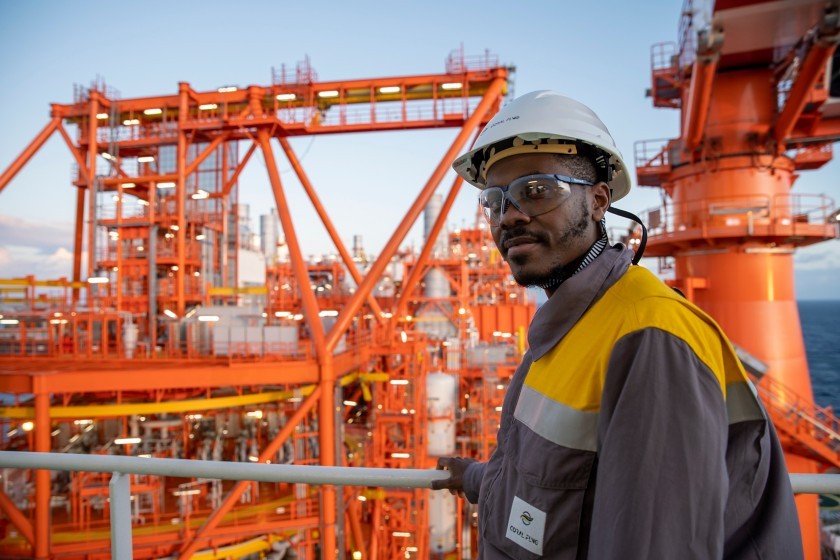
The Coral Sul FLNG project launched in 2022 and celebrated its 100th cargo shipment celebrated its 100th cargo shipment in April 2025. Larger onshore projects have been delayed due to security, but TotalEnergies announced the full restart of Mozambique LNG in early 2026, with first production now targeted for 2029 as regional stability improves.
The potential and the challenges both are significant. And improvements in places like Botswana and Argentina can give some example. Not only can technology transfer and training help build a future, but also revenues from LNG exports can fund infrastructure, education, and institutional capacity, much like Botswana’s management of its diamond wealth. Done correctly, this is how a country moves from resource extraction to human capital development. UNICEF has noted Mozambique’s establishment of a Sovereign Wealth Fund, to do just that.
Mozambique stands at a pivotal moment. The establishment of the Sovereign Wealth Fund represents a rare opportunity to transform natural resource wealth into human development gains, ensuring that today’s revenues translate into better outcomes for children and future generations. - UNICEF
Consolidating (firming up) the gains will depend on not only supporting what has worked (Coral Sul), but also ensuring policy and external pressure are aligned toward the same goal: broad growth and prosperity. Argentina may indeed offer a lesson showing that as policy constraints ease, gas resources can translate into production and macro economic relief.
By contrast, elements of the “Santa Maria” playbook prioritize halting development before income gains take hold. For countries like Mozambique, restricting development does not improve living standards; it risks reaching them at all.
Though in an early phase, and with proven resources and exports underway, Mozambique reflects the beginning ascension rise of the Environmental Kuznets Curve, where energy access and income growth begin enabling broader gains. Argentina’s reforms could point to a shift from constrained potential to scalable surplus, with LNG as a mechanism to move its economy up the curve.
Nigeria and Venezuela: Oil Giants Future Bet on Gas
Nigeria’s “Decade of Gas” has arrived and with 210 TCF of reserves, Nigeria is serious about more than exports, with the minister elucidating the plan’s focus on:
"Supply reliability, infrastructure expansion, domestic and export market flexibility, and ... positioning natural gas as the backbone of Nigeria’s energy security, industrialisation and just energy transition."
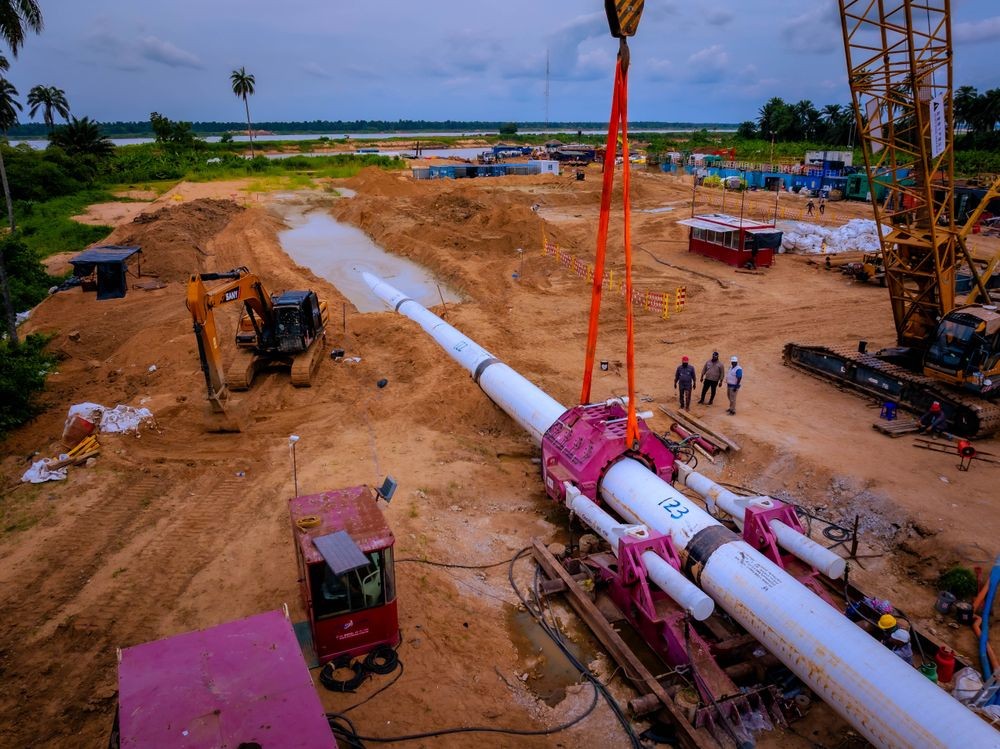
Venezuela could start back on the road of translating these resources into power reliability and export revenue, while reactivating a highly experienced domestic workforce and even attracting back skilled professionals who have left the country: upward move along the Environmental Kuznets Curve; i.e. improved energy access, income, and institutional capacity. With 73% o total gas reserves in South America, it arguably could have larger potential than Argentina where reforms are already allowing technical expertise and resource potential to recombine into production growth.
Conclusion: Energy as the Driver and Catalyst
Natural gas and LNG are showing to be a potential driver for growth rather than simply a commodity. Movement along the Environmental Kuznets Curve, from the US and the UK a hundred years ago, to China and India today, makes it more than just a theoretical curiosity: it’s observable.
Moving from scarcity to abundance (surplus) is not done by skipping energy-dense fuels, but by using them to build the income and institutions. Such income, institutions and a society that is well above barest survival are what make real environmental stewardship possible.
This is where the Santa Marta framework falls short: if you focus only on what appears to be a direct route, you find yourself entangled in brambles, and the risk is nations on the wrong side of the EKC. And climate targets are framed in decades, while poverty is measured in days and years.
A more durable approach is enabling lots of affordable energy, generating broad growth and raised standard of living, and naturally this will tend toward and start demanding (See China) enforcement of higher standards. That is what Argentina is demonstrating. And for countries like Mozambique, Nigeria, and even Venezuela, it remains the most credible path from to both better standards of living and a better environment for all.
Let’s make better energy decisions.
RBAC, Inc. has been the leading provider of market fundamental analysis tools used by the energy industry and related government agencies for over two decades. The GPCM® Market Simulator for North American Gas and LNG™ is the most widely used natural gas market modeling system in North America. RBAC’s G2M2® Market Simulator for Global Gas and LNG™ has been instrumental in understanding evolving global gas and LNG dynamics and is vital in fully understanding the interrelationship between the North American and global gas markets.