
Europe’s search for gas security increasingly centers on the balance between dependable regional supply and exposure to a volatile global LNG market. Norway stands prominently as a pillar to that strategy, with extensive offshore production and a direct pipeline network to Europe, helping to stabilize supply and reduce reliance on seaborne cargoes during periods of market stress.
As significant as it is, Norway will not eliminate Europe’s need for LNG imports. However, continued Norwegian investment and selective new European projects can help offset decline and improve resilience.
In the post-Russian gas era, Europe’s energy security will depend not only on regional production and infrastructure, but also on its ability to navigate tightening global gas balances caused by competition, geopolitical events, and shifting trade flows.
Europe’s Evolving Gas Balance
For over two decades Europe’s gas market had been heavily dependent on Russian pipeline imports, has now evolved into a far more diversified market. LNG imports from the United States, Qatar, and other global suppliers have become increasingly critical to supply security, while pipeline imports from Norway, North Africa (through Italy), and Central Asia (through Turkey) have taken on a larger strategic role.
Energy policy has also heavily shifted in Europe over the years, particularly with renewable energy, a decline in coal and a taste or distaste for nuclear (e.g. France vs Germany) and changes in gas. The current REPowerEU plan has stated a legally binding commitment to entirely phase out Russian gas imports by 2027. They also have policy intentions to reduce total gas demand across the EU. But the challenge facing Europe is that demand for natural gas has not by any means disappeared (Figure 1), thus, causing some reevaluation in their need for gas, as evidenced by the recent commitment to U.S. LNG, all while supply sources themselves have become scarcer or in greater competition on the open market.
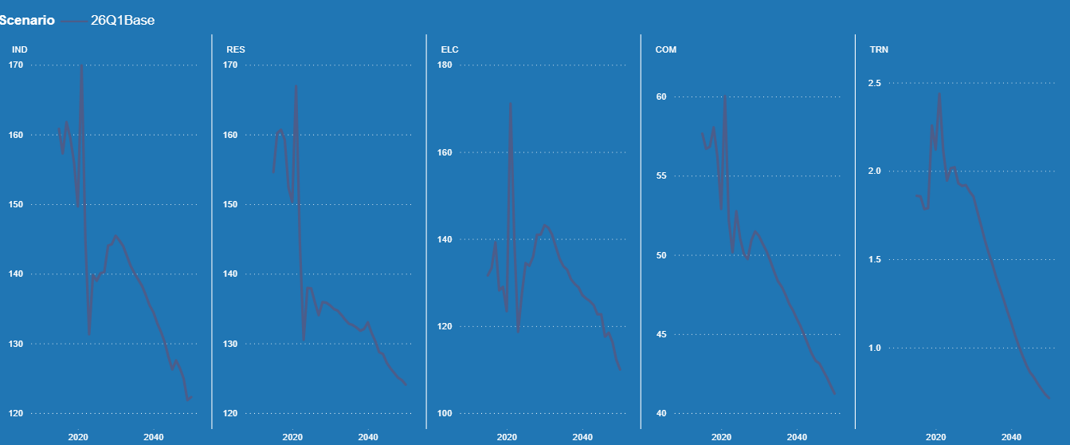
While efficiency gains, fuel switching, renewable deployment, and slower industrial activity have reduced consumption from the extraordinary highs seen before late 2021, Europe still requires enormous volumes of imported gas to support industrial activity, balance seasonal demand swings, refill storage, and maintain reliability during winter periods.
Unlike the previous era of long-term Russian pipeline gas dependence, Europe must now compete with Asian buyers for flexible LNG cargoes to make up for lost Russian flows (even with increased pipe gas flows from elsewhere), whether it is through securing long-term contracts or in the spot market.
At the same time, geopolitical tensions in the Middle East continue to reinforce concerns surrounding gas and LNG supply security. Qatar remains one of the world’s largest LNG exporters, while the Strait of Hormuz serves as one of the most critical chokepoints in global energy trade.
In a recent edition of our quarterly global market outlook, we have seen disruptions to production in Qatar, the United Arab Emirates, Iran, and Israel.
Disruption to Middle Eastern exports created immediate impacts on global LNG prices, and long-term disruption has the further potential to tighten the global gas market, increase LNG prices, and intensify competition between Europe and Asia for available cargoes. This competition is exactly what we are seeing in the market right now as Europe and Asia
These risks have pushed European policymakers and market participants to focus increasingly on a critical question: how much additional supply can come from within or near Europe itself?
Europe’s Production Decline and Import Dependence
Domestic gas production across Europe has steadily declined over the last two decades (Figure 2).
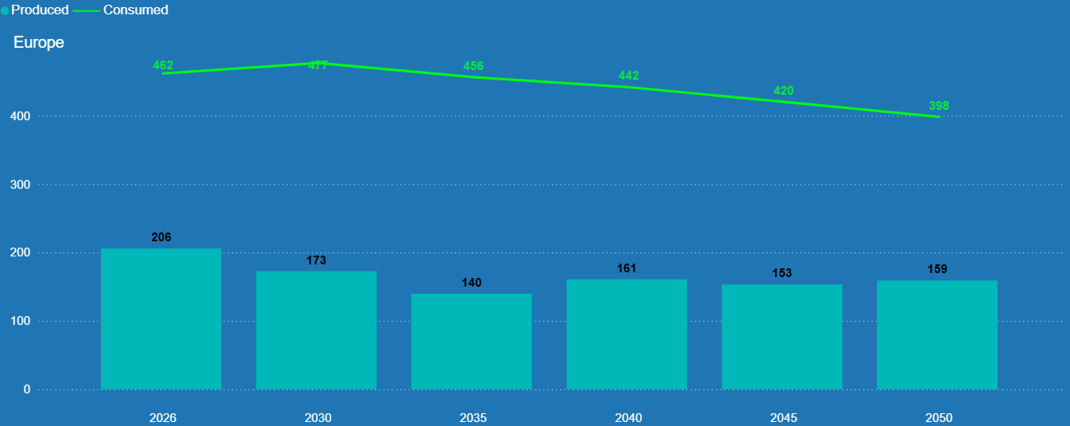
Mature producing regions in the United Kingdom and the Netherlands have experienced falling output: concerns over local impacts have resulted in policy restrictions on production and have also limited the development of new upstream projects. The closure of the Groningen field in the Netherlands, a top producing field for decades, symbolized this broader shift.
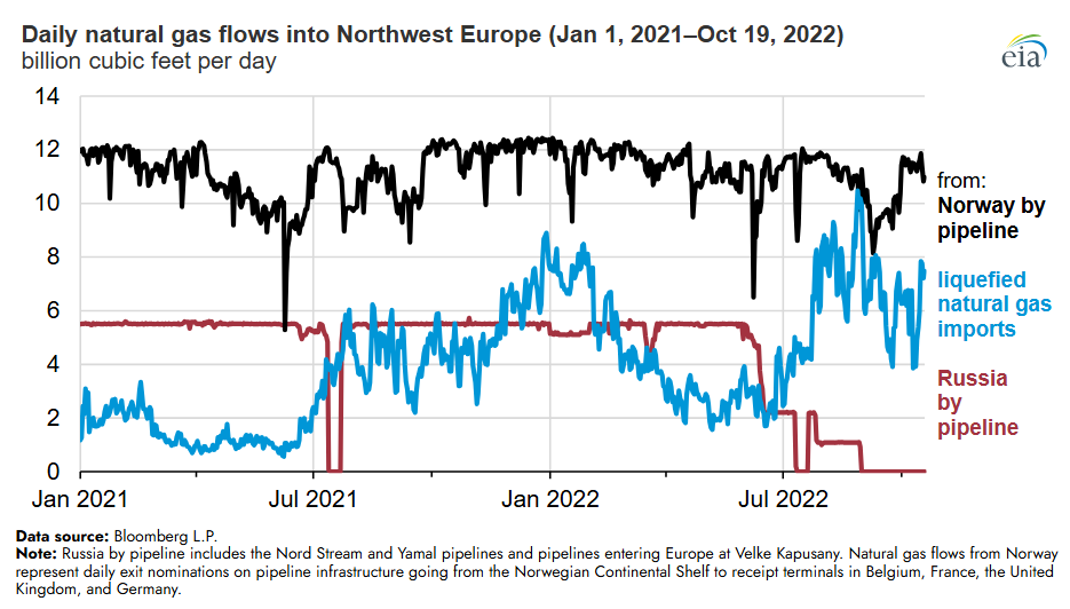
As domestic output fell, Europe became increasingly reliant on imports (Figure 3). Europe has aggressively diversified import sources after the start of the Russia-Ukraine war, resulting in major increases in LNG imports alongside stronger pipeline flows from Norway.
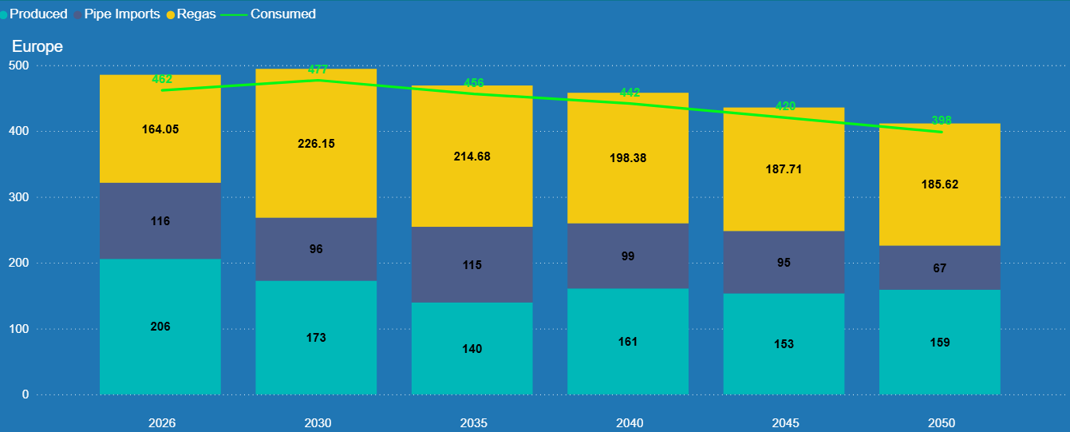
Global liquefaction capacity additions are occurring, particularly in the United States and Qatar, but demand growth in Asia continues to compete for those same volumes. Even temporary increases in Asian LNG demand can rapidly alter global trade flows and pricing dynamics.
Faced with such a volatile LNG market, European participants are shifting focus toward expanding existing gas fields and reviving domestic production. Regional players like Romania and the UK are fast-tracking major offshore developments to secure local supply, while Norway leads this effort by reopening legacy North Sea fields and furthering exploration.
Norway’s Position in Europe’s Gas Market
Norwegian gas has become foundational to Europe’s energy strategy, and Norway has become one of Europe’s most important natural gas suppliers through an extensive offshore production and pipeline network connecting directly to continental Europe and the United Kingdom. (The United Kingdom itself was also formerly a top producer of natural gas in the early 2000s, and still a leading producer today compared with the rest of Europe, though its production is a far cry from the highs of the past.)
Norway currently produces approximately 125 BCM of natural gas annually, with the vast majority exported into European markets. Much of this production originates from offshore fields in the North Sea and Norwegian Sea.
Despite the maturity of many existing assets, Norway has continued investing heavily in exploration, field extensions, and new developments aimed at sustaining output over the coming decade. Several offshore projects are expected to partially offset declines from older producing fields.
Among the most significant recent developments is Irpa, a gas field containing approximately 23.1 BCM of recoverable reserves, alongside continued activity across the Norwegian Continental Shelf. Oil-led developments including Johan Sverdrup, Verdande, and Tyrving also contain approximately 6.3 BCM of remaining recoverable gas, adding smaller incremental volumes over time.
Can Norway Help Reduce Europe’s Energy Pain?
We know that Norway cannot completely replace historical Russian gas flows (by itself). But can Norwegian production reduce Europe’s exposure to global LNG volatility?
New offshore developments may add incremental supply that helps offset natural decline rates from aging fields. A few additional BCM of pipeline gas flowing directly into Europe can reduce LNG import requirements, ease storage refill pressure, and lower exposure to global spot price volatility.
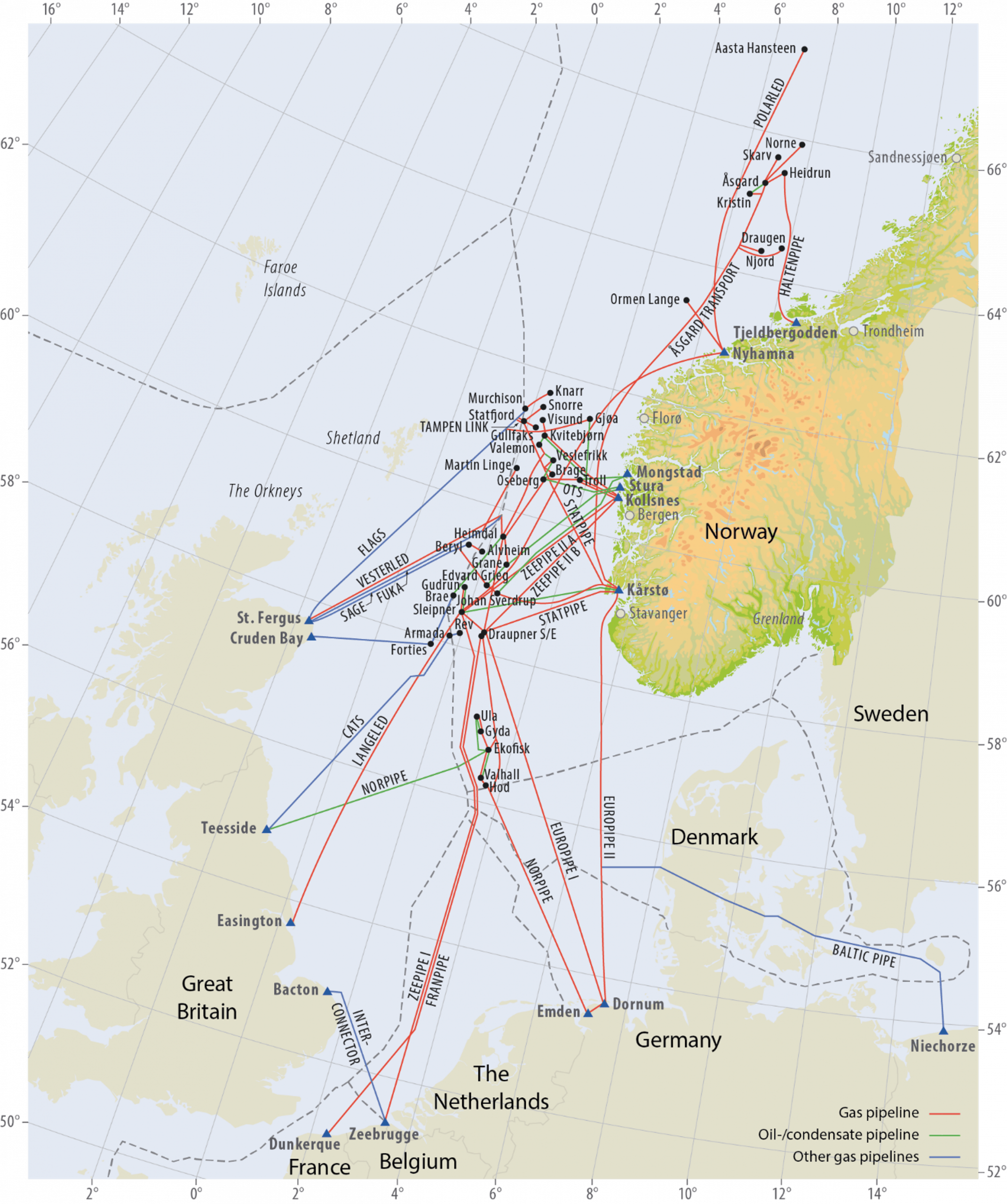
Most of this gas would likely continue flowing into Germany, the United Kingdom, Belgium, and France through Norway’s extensive network of over 8,800 km of offshore pipelines and approximately 120 BCM/year of pipeline export capacity. Existing infrastructure already allows Norwegian gas to reach many of Europe’s largest demand centers without requiring major changes.
Challenges for Norway
However, even with this massive supply and infrastructure, delivery is not without obstacles. For example, Norway must balance its export ambitions with domestic climate objectives and relevant EU environmental and energy regulations incorporated through the European Economic Area Agreement.
Then there are unexpected disruptions to consider.
Only just recently did Norway’s oil industry end a labor dispute which had disrupted offshore drilling operations, so large disruptions are possible. Back in 2023, Australia’s LNG industry had strikes take place which disrupted not only its LNG production, but also had effects on the global market. Because many Norwegian fields produce both oil and natural gas, disruptions to offshore oil operations could also reduce natural gas production.
Norway even expressed concerns of the possibility of sabotage its energy infrastructure since 2023. If such major lines to Europe were sabotaged as happened with NS2, what would be the impact? How would this be handled?
Only just recently did Norway’s oil industry end a labor dispute which had disrupted offshore drilling operations, so large disruptions are possible. Back in 2023, Australia’s LNG industry had strikes take place which disrupted not only its LNG production, but also had effects on the global market. Because many Norwegian fields produce both oil and natural gas, disruptions to offshore oil operations could also reduce natural gas production.
Norway even expressed concerns of the possibility of sabotage its energy infrastructure since 2023. If such major lines to Europe were sabotaged as happened with NS2, what would be the impact? How would this be handled?
Could Other European Fields Return?
Beyond Norway, there are ongoing discussions surrounding whether Europe could revive or expand additional domestic gas production.
In the United Kingdom, policymakers remain divided between energy security priorities and decarbonization objectives, creating uncertainty surrounding future upstream investment. Meanwhile the UK’s total gas import share has risen dramatically as domestic production declined, and industry analysts have warned that without sustained investment the UK could be And estimates show that there is still a substantial amount of natural gas still within the United Kingdom, but how much of it is technically and economically viable is the bigger question.
The eastern Mediterranean also remains an important potential source of future European supply. Gas developments offshore Israel and Cyprus could contribute additional regional volumes over time, though infrastructure constraints and geopolitical complexities remain significant challenges.
Romania’s offshore Neptun Deep project in the Black Sea represents another notable opportunity. Production from the field could provide meaningful new supply to southeastern Europe later this decade and reduce regional import dependence.
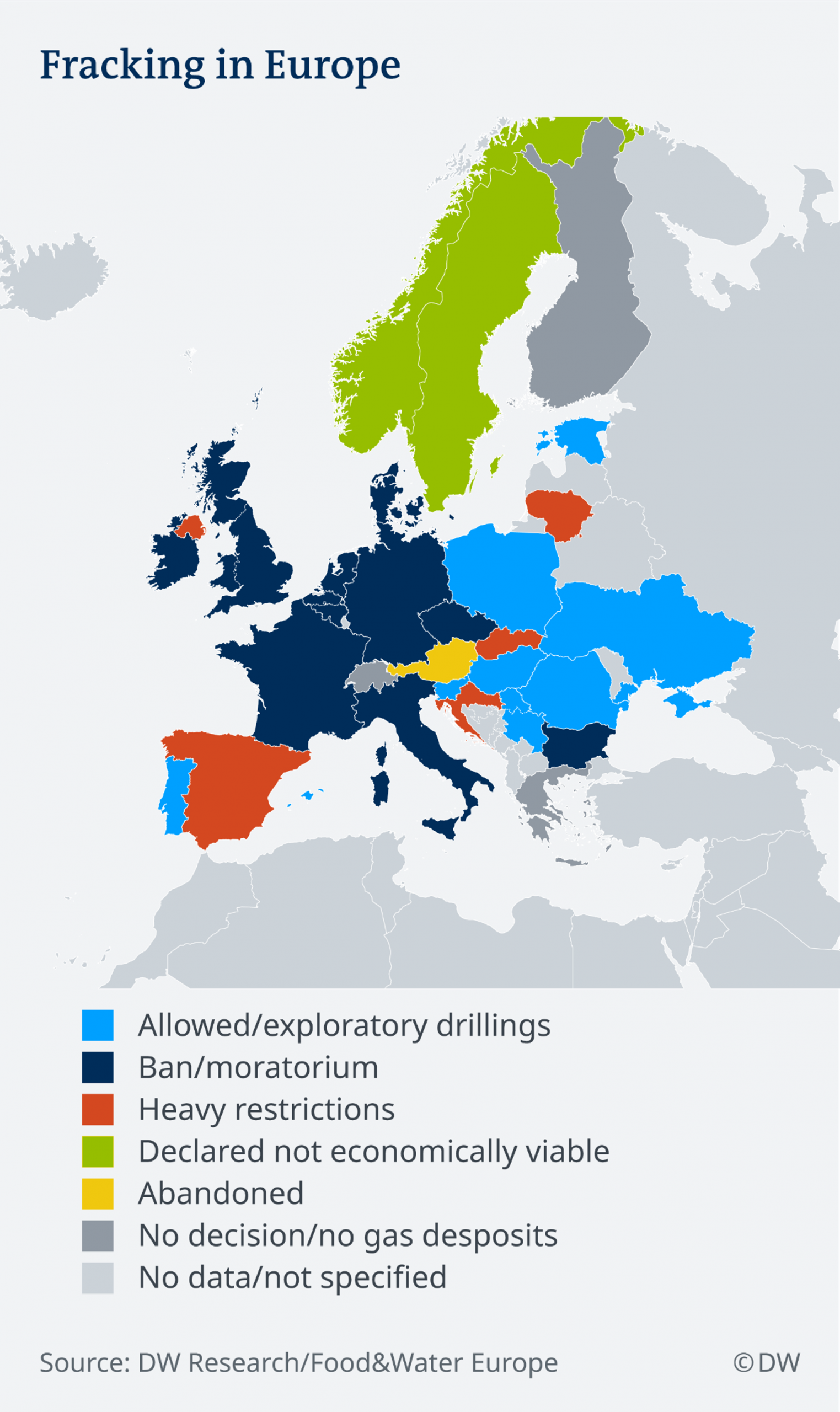
However, this is where a divide exists within Europe. Some members of the EU are still open for oil and gas exploration and other members have written into law a ban or moratorium on fracking. Some of these members include France, Ireland, Denmark, Spain, and Greenland. Hydraulic fracturing (fracking) made the United States the energy superpower it is today, yet it is a subject of great debate within Europe.
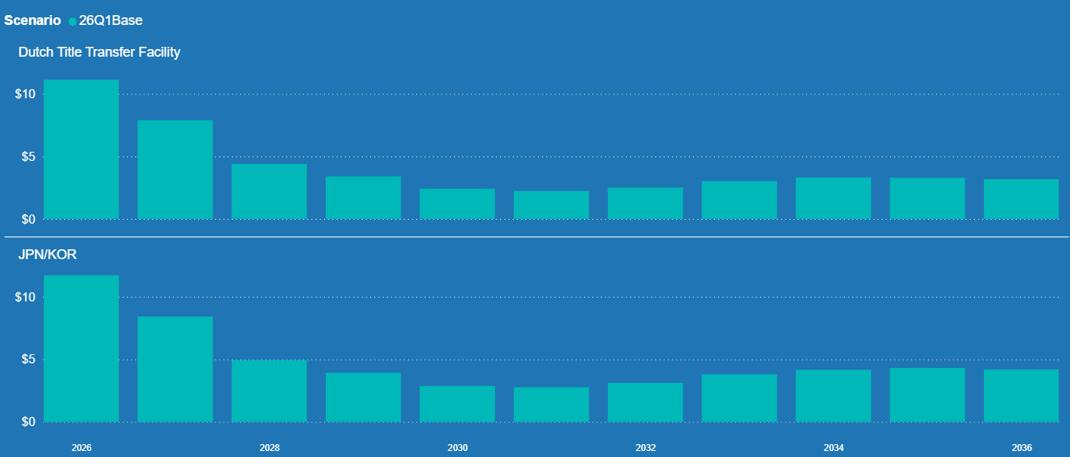
With increasing competition for LNG in the global market, countries in Europe may begin rethinking policies related to natural gas and exploration, especially with gas storage levels across Europe around 51% full compared to over 80% in 2023 and 2024 and roughly 60% in 2025.
Europe’s Energy Security Will Remain Global
Europe has successfully diversified away from extreme dependence on Russian pipeline gas, but in doing so it has become more exposed to the realities of global LNG competition. Energy security is no longer determined solely by regional pipeline infrastructure, it is increasingly shaped by worldwide trade flows, geopolitical events, weather patterns, and LNG market flexibility.
Norway will continue playing a central role in helping stabilize Europe’s gas supply outlook. Incremental offshore developments and sustained production could reduce Europe’s dependence on volatile LNG markets and provide valuable supply reliability during periods of stress.
However, Norway alone cannot solve Europe’s long-term supply challenge. LNG imports will remain essential, competition with Asia will continue intensifying, and geopolitical disruptions will remain a persistent source of uncertainty.
As the global gas market becomes more interconnected, Europe’s future energy security will increasingly depend on its ability to navigate not only regional supply dynamics, but the entire global LNG ecosystem.
The Increasing Importance of Global Modeling
This complexity is precisely why integrated global market modeling has become increasingly important for producers, utilities, traders, infrastructure developers, and policymakers.
RBAC’s G2M2® Market Simulator for Global Gas and LNG™ allows market participants to evaluate how disruptions, new infrastructure, changing demand patterns, and geopolitical developments can alter trade flows, pricing, and regional balances across interconnected global gas markets. Seeing how all of the puzzle pieces fit together is especially important when planning for the long-term so that and potential market scenario can be considered.
For example, some scenarios that can be modeled are:
- Additional supply from Norway impact on EU LNG Imports
- Disruptions to Norway’s Natural Gas Production due to worker strikes
- Increased production from other gas fields within the EU
- Effects of prolonged disruptions surrounding the Strait of Hormuz
Interested in learning more about G2M2? Contact us here for more information and to schedule a free demonstration.
RBAC, Inc. has been the leading provider of market fundamental analysis tools used by the energy industry and related government agencies for over two decades. The GPCM® Market Simulator for North American Gas and LNG™ is the most widely used natural gas market modeling system in North America. RBAC’s G2M2® Market Simulator for Global Gas and LNG™ has been instrumental in understanding evolving global gas and LNG dynamics and is vital in fully understanding the interrelationship between the North American and global gas markets.